Industry is (obviously) about making things. I worked for a while as a civil engineer, so I’m quite at home in a factory or construction site environment.

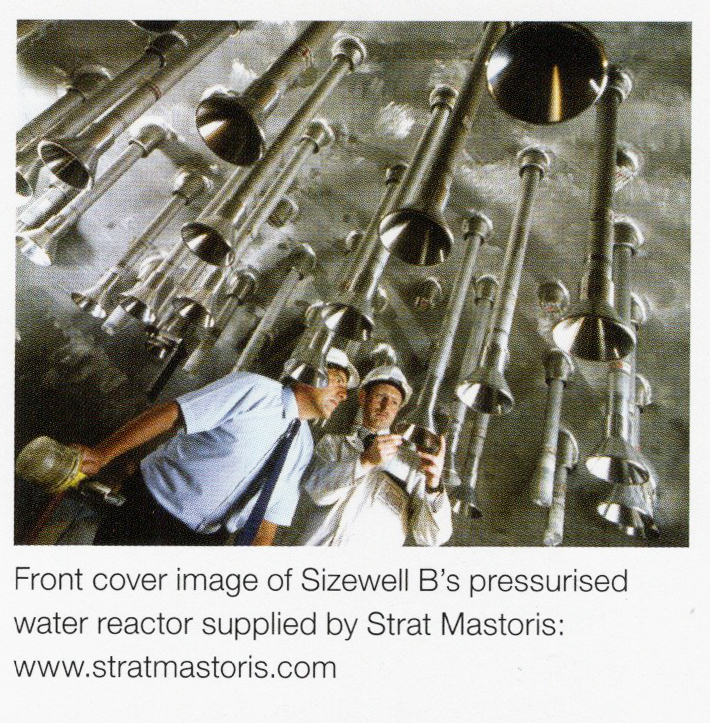
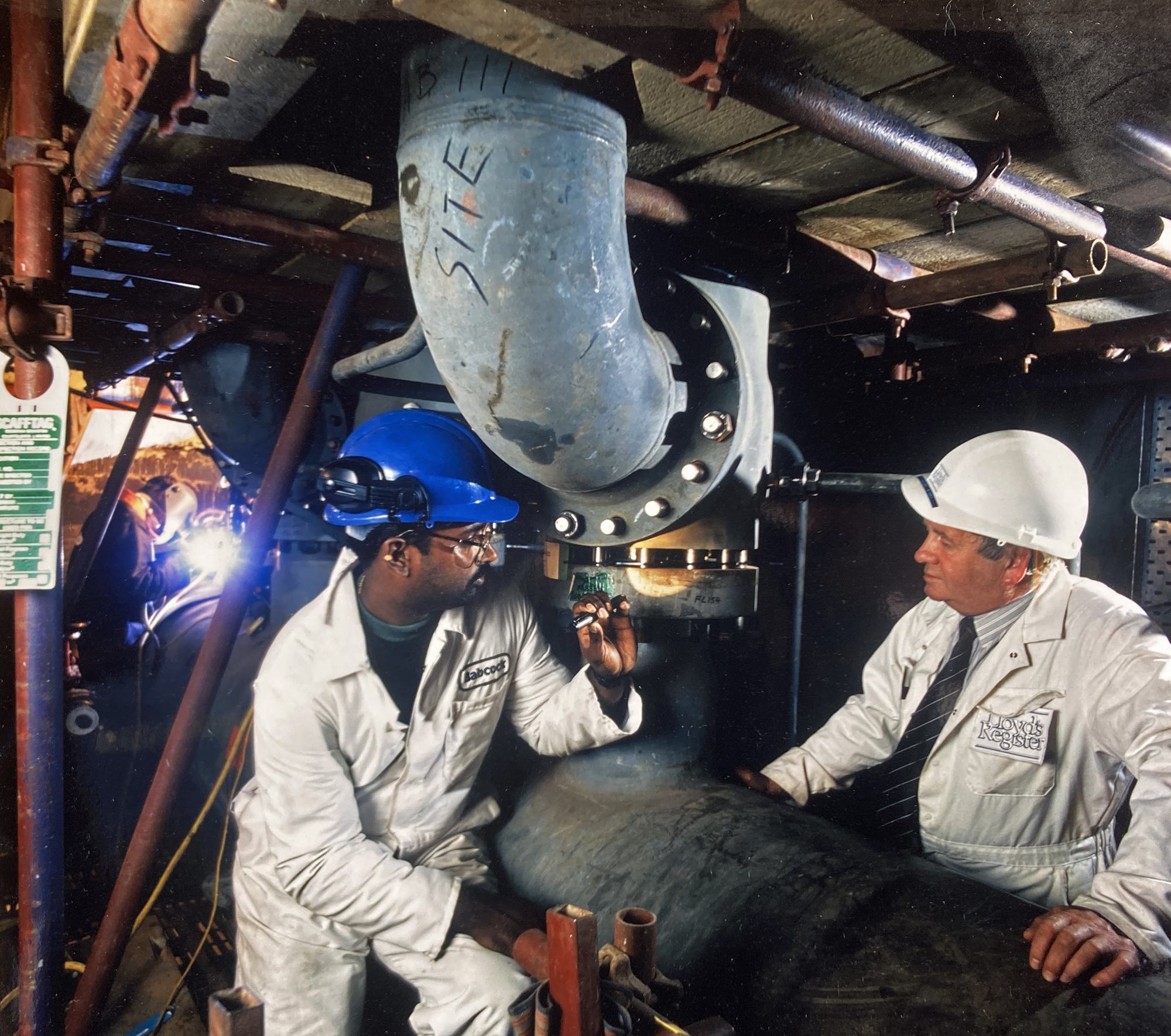

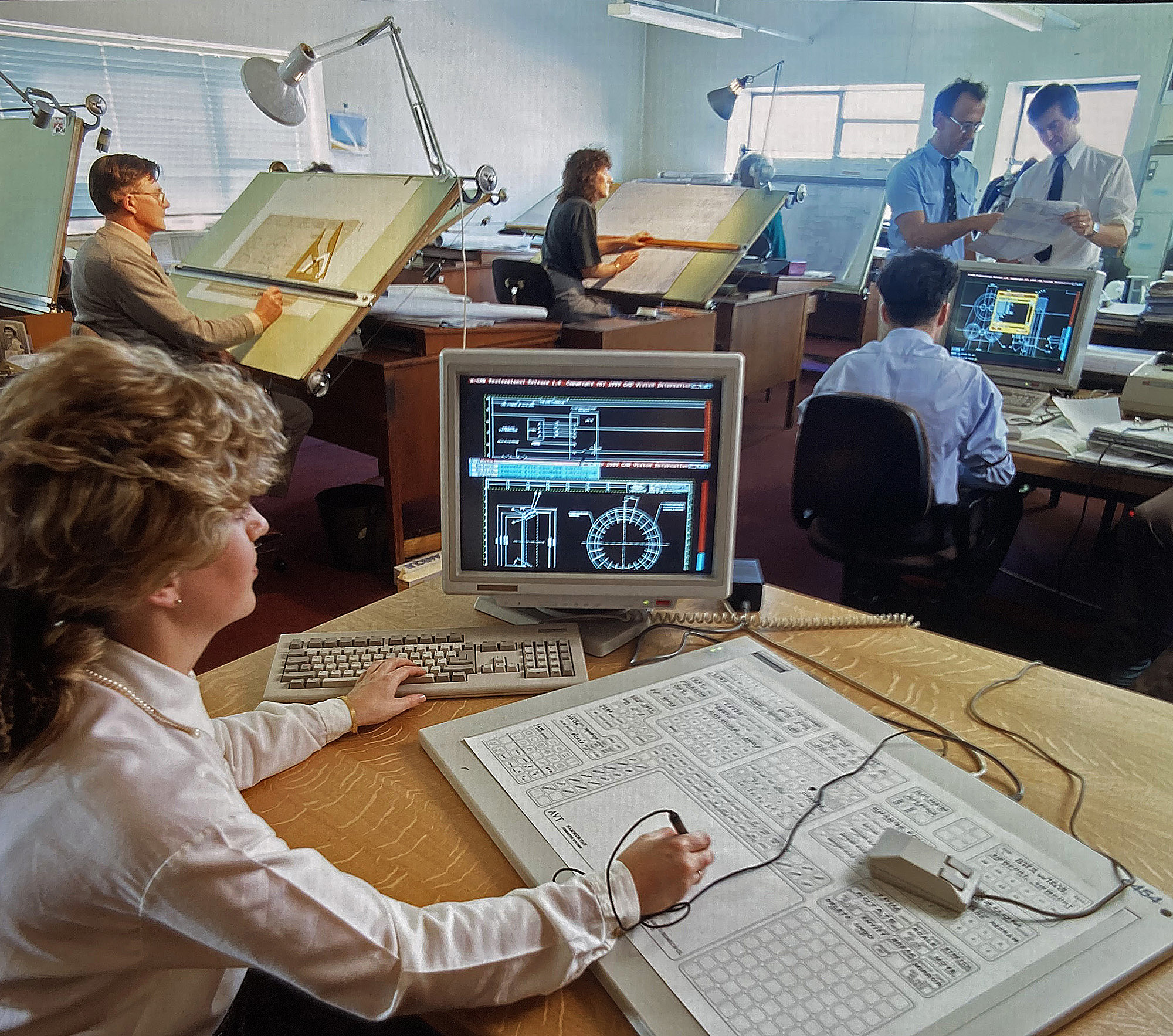
Over the years I’ve photographed a wide spectrum of industrial processes, from the high technology of Sizewell nuclear reactor to a low-tech, though highly skilled, mud-brick maker in India. I was working during the transition when computer-based design systems took over from traditional draughtsmanship.
Each subject brings its own problems – at United Glass it was the heat of the furnace as ‘gobs’ of molten glass are blown to form bottles, and the ear-splitting noise of thousands of them jangling along the line to be cooled and tested.


At the design stage, prototype products are examined through polarized light to see the stresses and strains in the glass.

Different situations, different solutions. To photograph the Pilot Paper Coater at the ECC International Technicentre, at Lixhe in Belgium, I had to find a vantage point where I could get enough of the enormous machine into my frame …

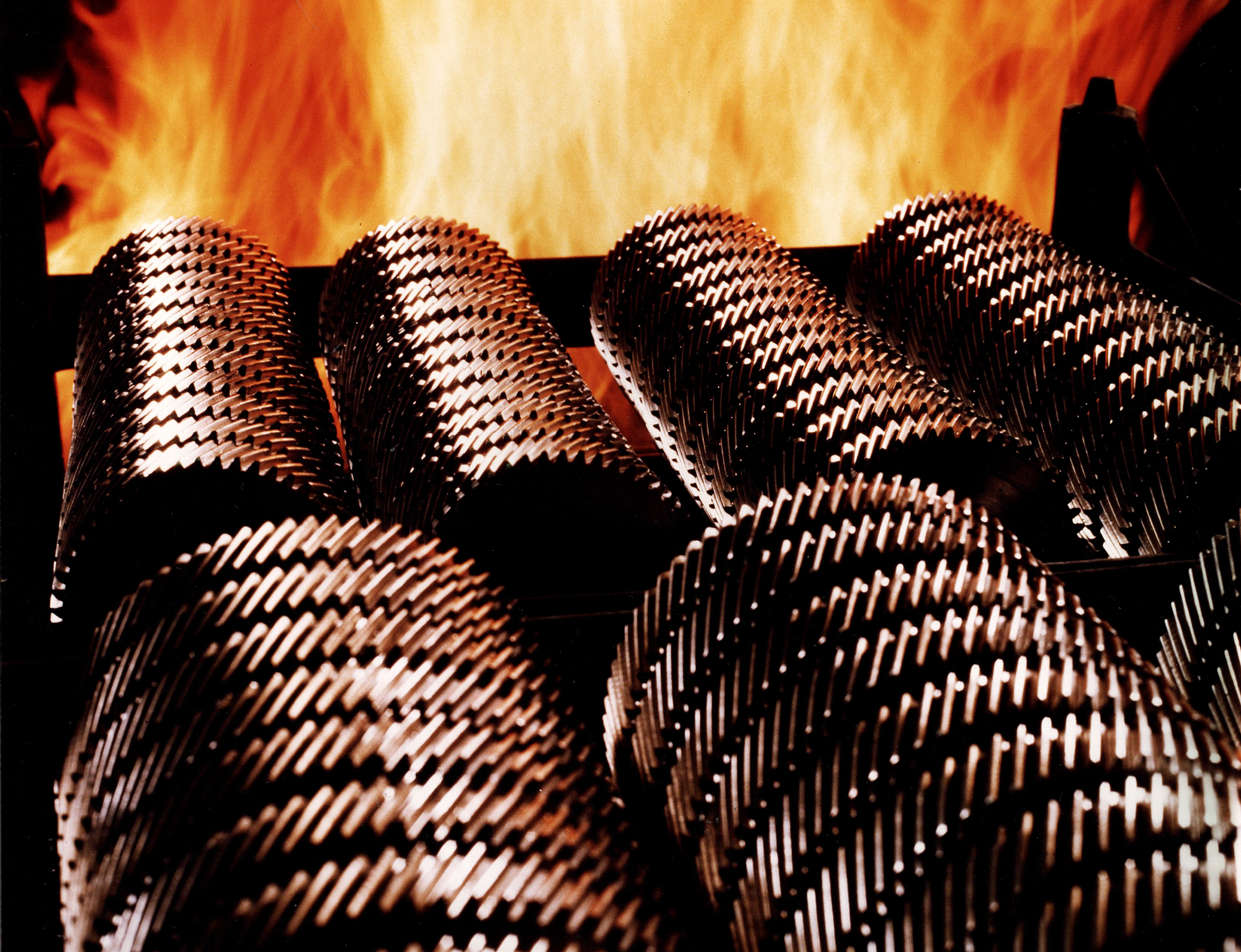
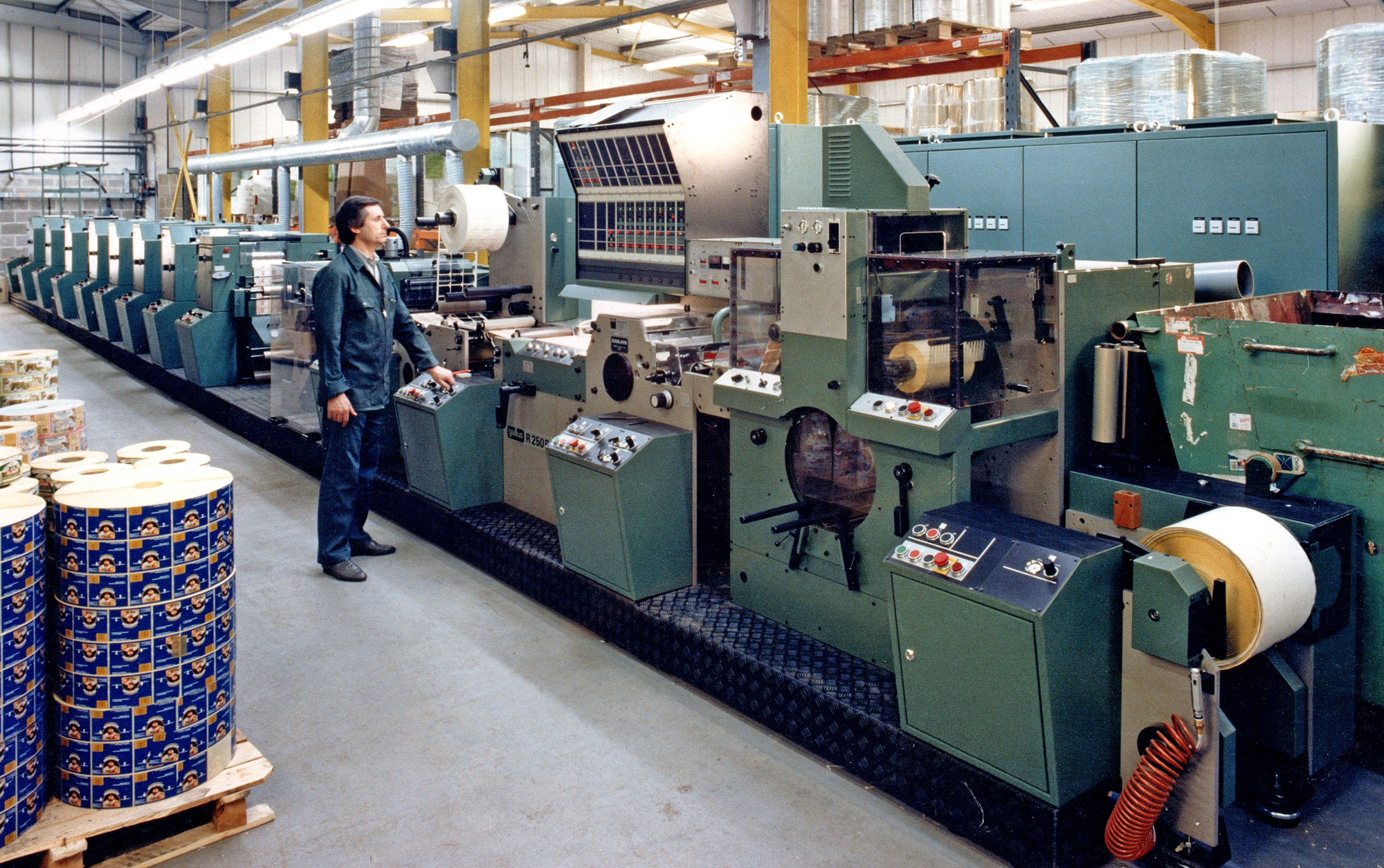
… while in this print works, I wanted to show the finished product – egg cartons. For gears being case-hardened, though, it was the heat of the furnace that was almost overpowering..
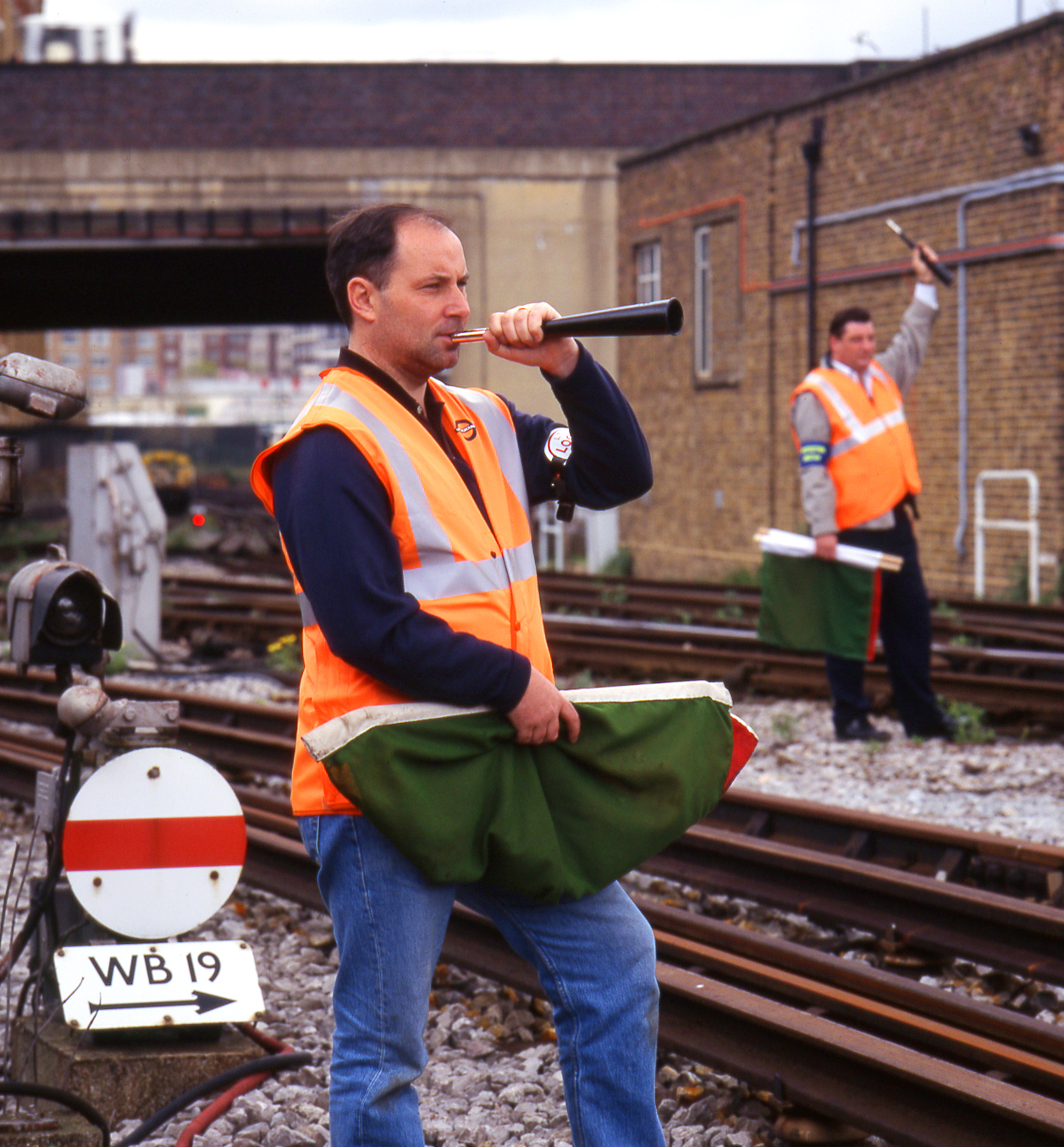
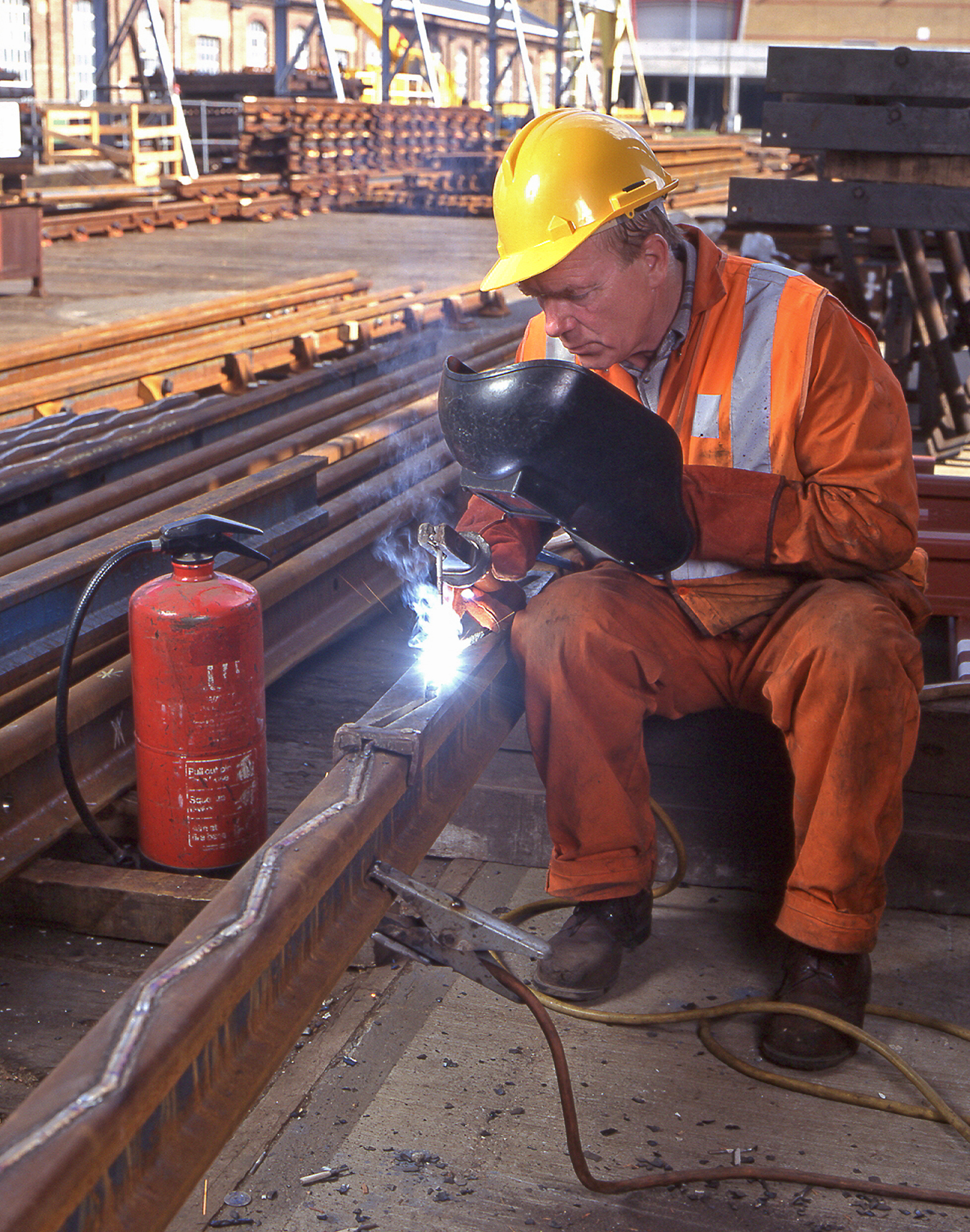
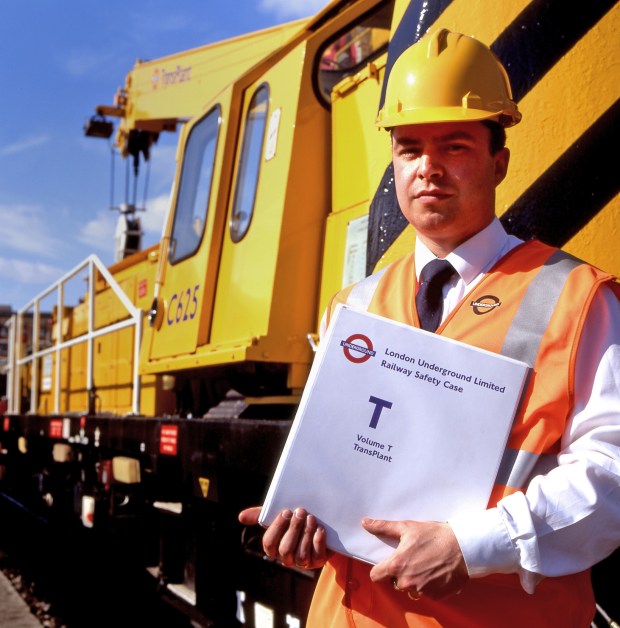
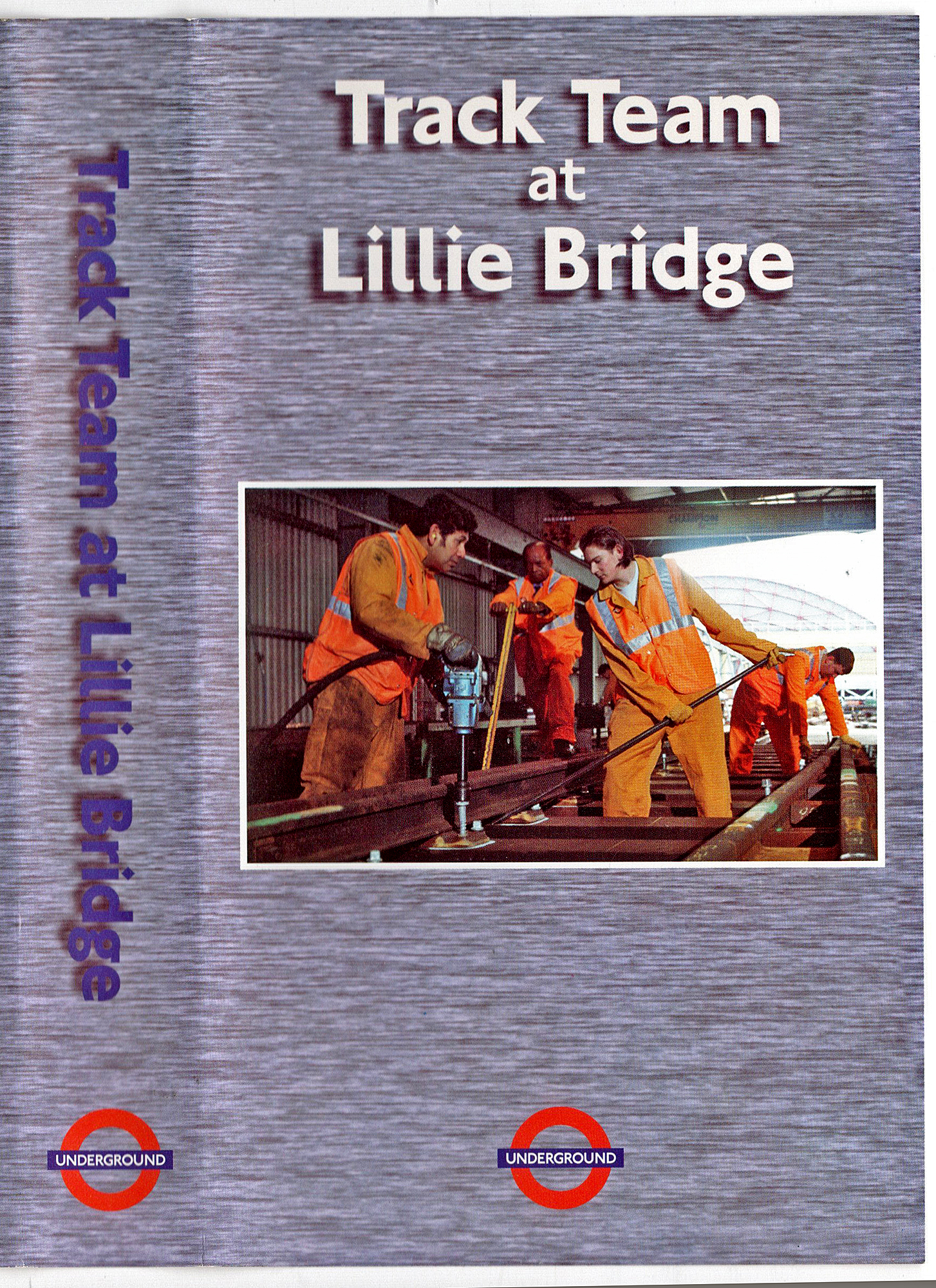
With London Underground it was the proximity of moving trains – their track lookouts keep everyone alert and aware.
There’s a lot of heat and dust in many industrial locations, but factories and railways are controlled by computer systems. The data storage areas are carefully controlled for temperature and humidity.

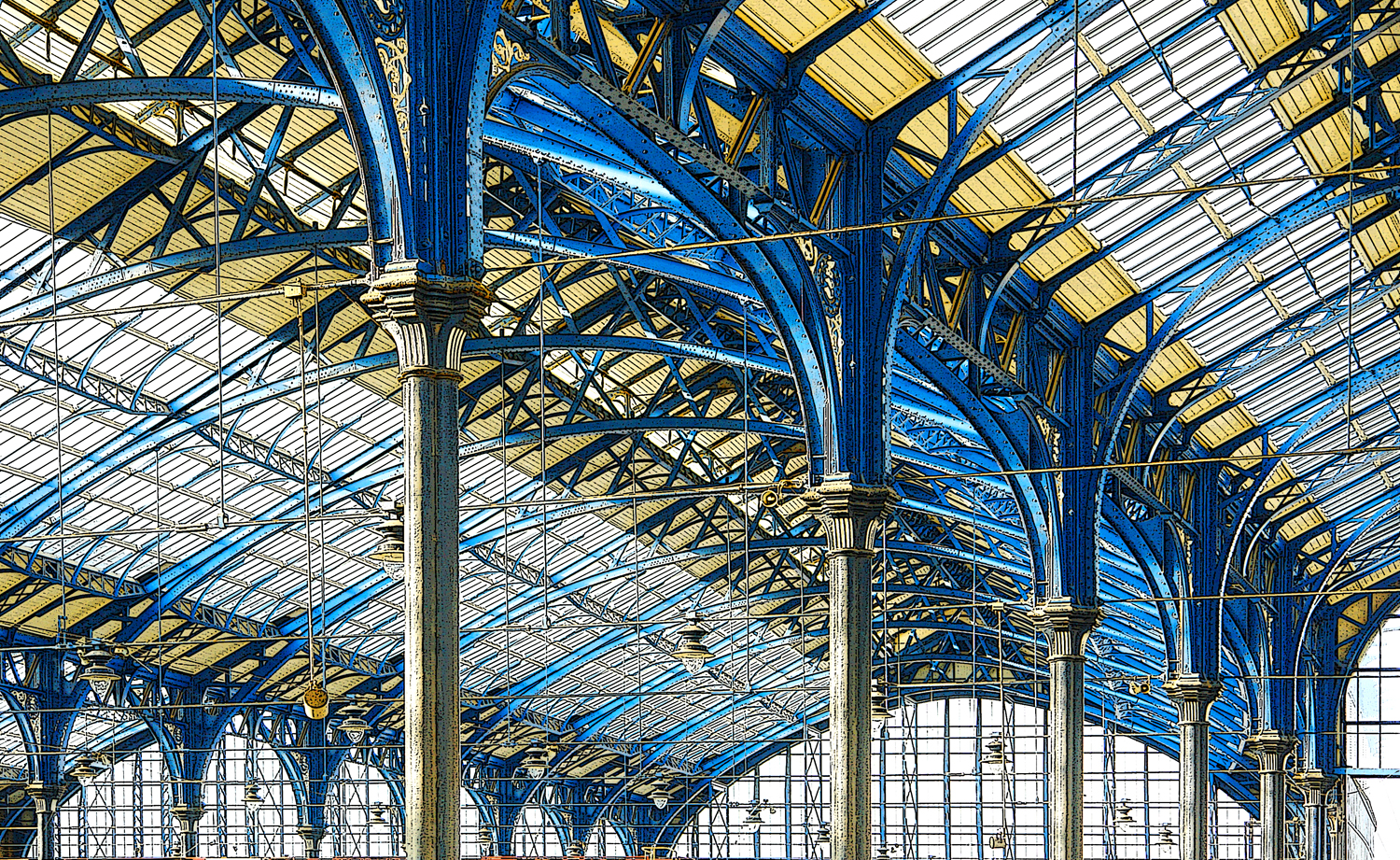
The Victorians built station roofs with glass and cast iron, while the twentieth century warship builders used steel. Electronics designer Jake builds tone control boxes for electric guitars – silicon, copper and thin gold – and it’s quieter work too.


It’s not just about physical structures, though.
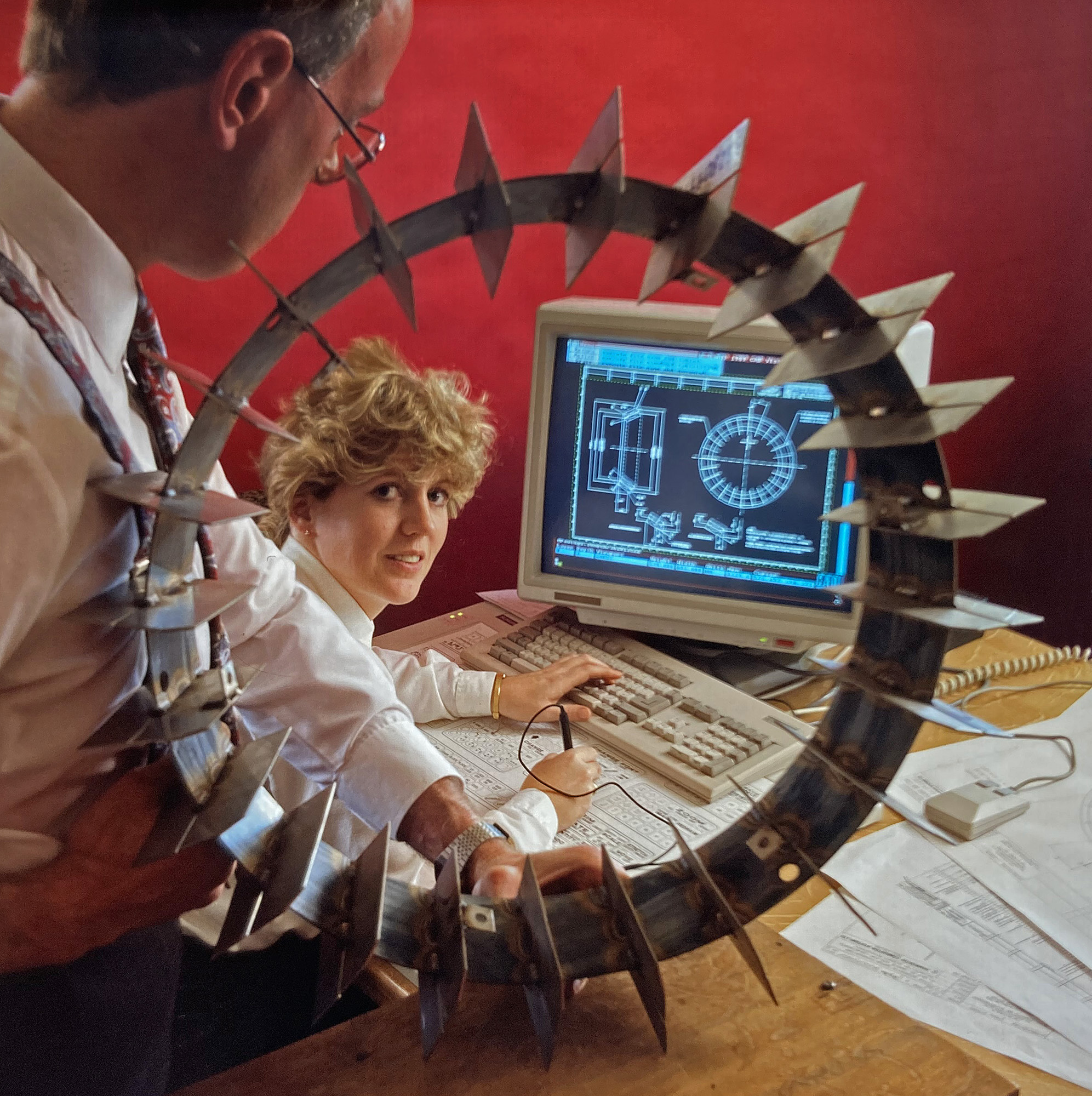
I’ve photographed industrial design using CAD programmes – but I’ve I’ve also done a lot of work producing digital images of documents that are too rare or fragile to be available for general display or handling.
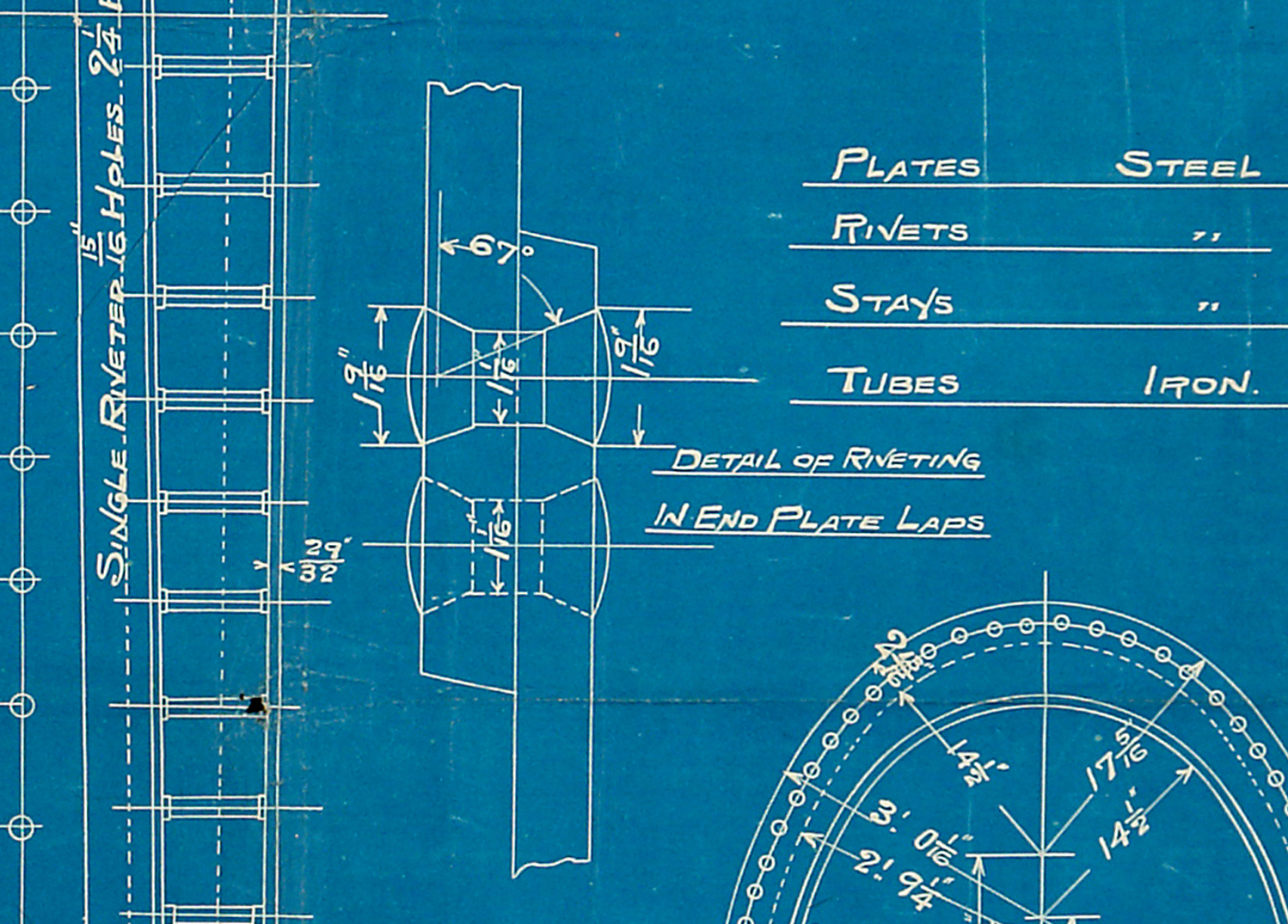
These are boiler blueprints from the liner RMS Mauretania, built in 1906 for Cunard – a sister ship of the ill-fated Lusitania which was torpedoed off Ireland in the First World War. They are over two metres wide, so I had to photograph them in sections and put the mosaic together on the computer.

I was fascinated by the level of detail.

*
*
*
*
 Strat Mastoris Photography