

Welcome. (That’s what the mandala represents) They say that travel broadens the mind. For me, it’s not so much the “Oooh!, that’s fantastic” as the “Aaah!, that’s really interesting”. It’s about how they do things differently in another culture.
I’ve travelled to quite a few countries, but India is unforgettable. A billion people, with a rich heritage, who look set to be one of this century’s superpowers. But it’s a country of contrasts – temples and telecommunications, Bollywood and ballistic missiles. Take a close-up look at the carvings on the Meenakshi Temple in Madurai, Tamil Nadu, as well as Cyber Towers in Bengaluru (once called Bangalore) – at the heart of India’s ‘silicon valley’.

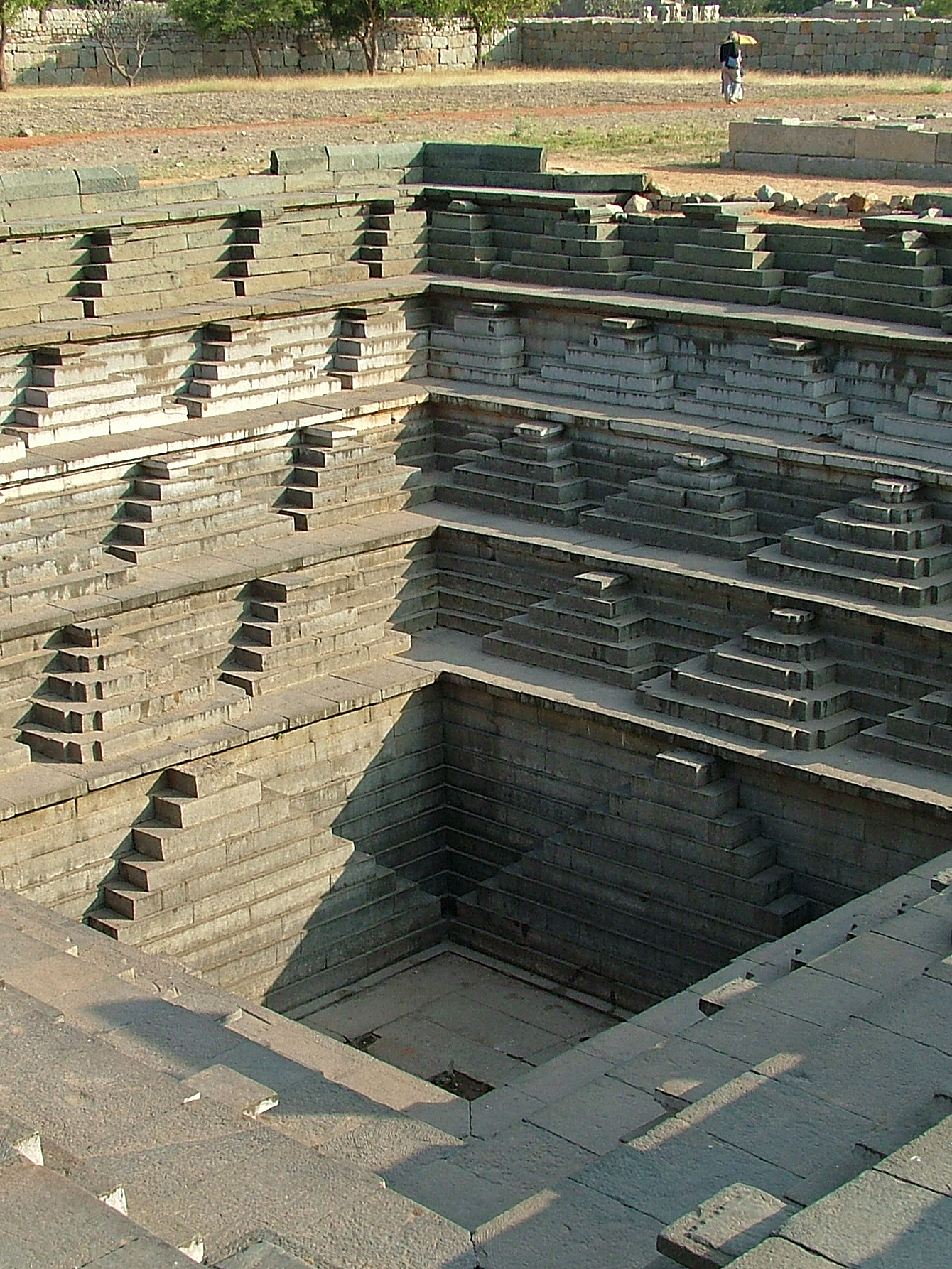
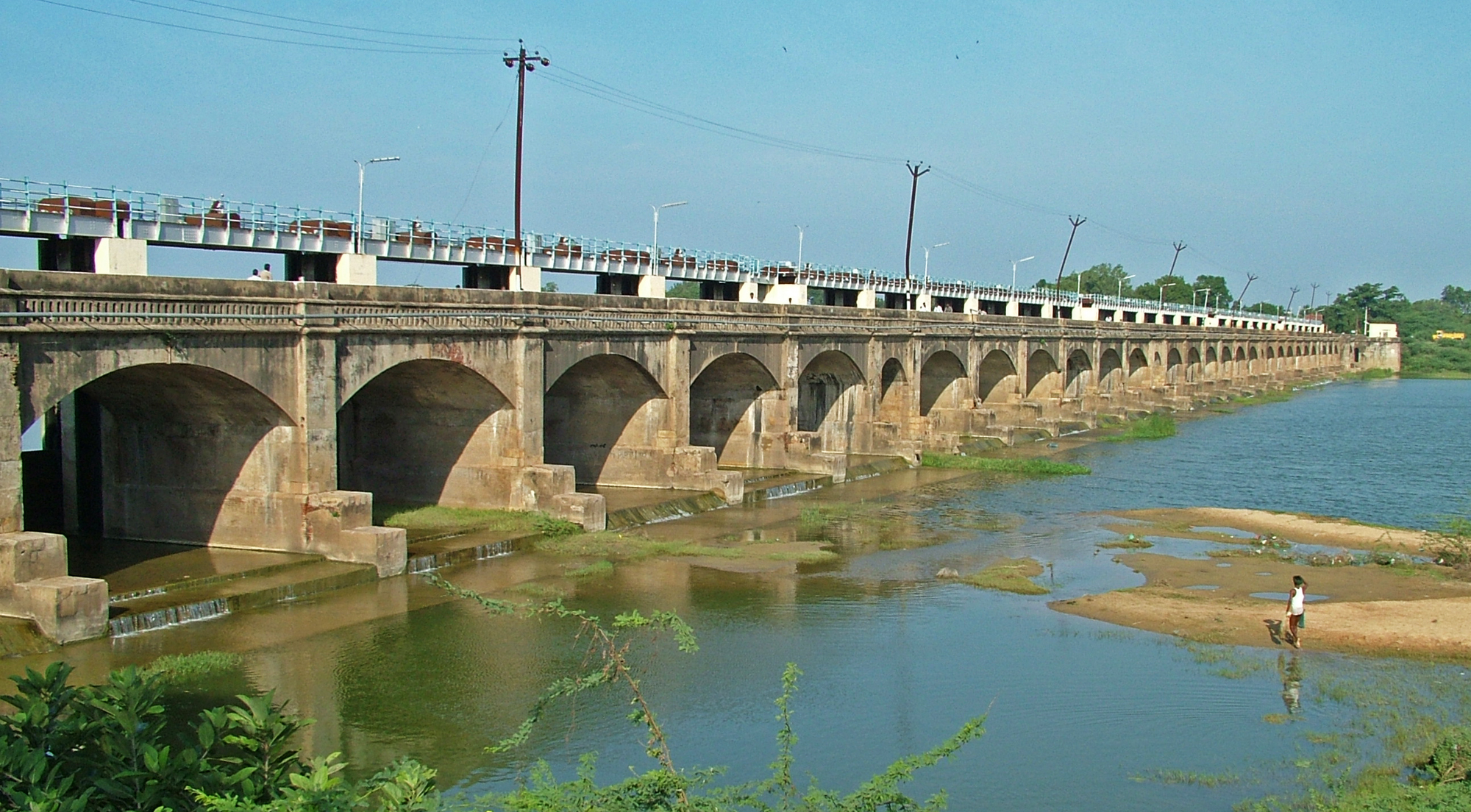
The lake in front of the temple isn’t just for ornament – it’s the surface of a ‘tank’ for storage of large amounts of water. Traditional Indian water management built ‘stepwells’, designed to provide access for people to climb down, while the British Raj built dams.
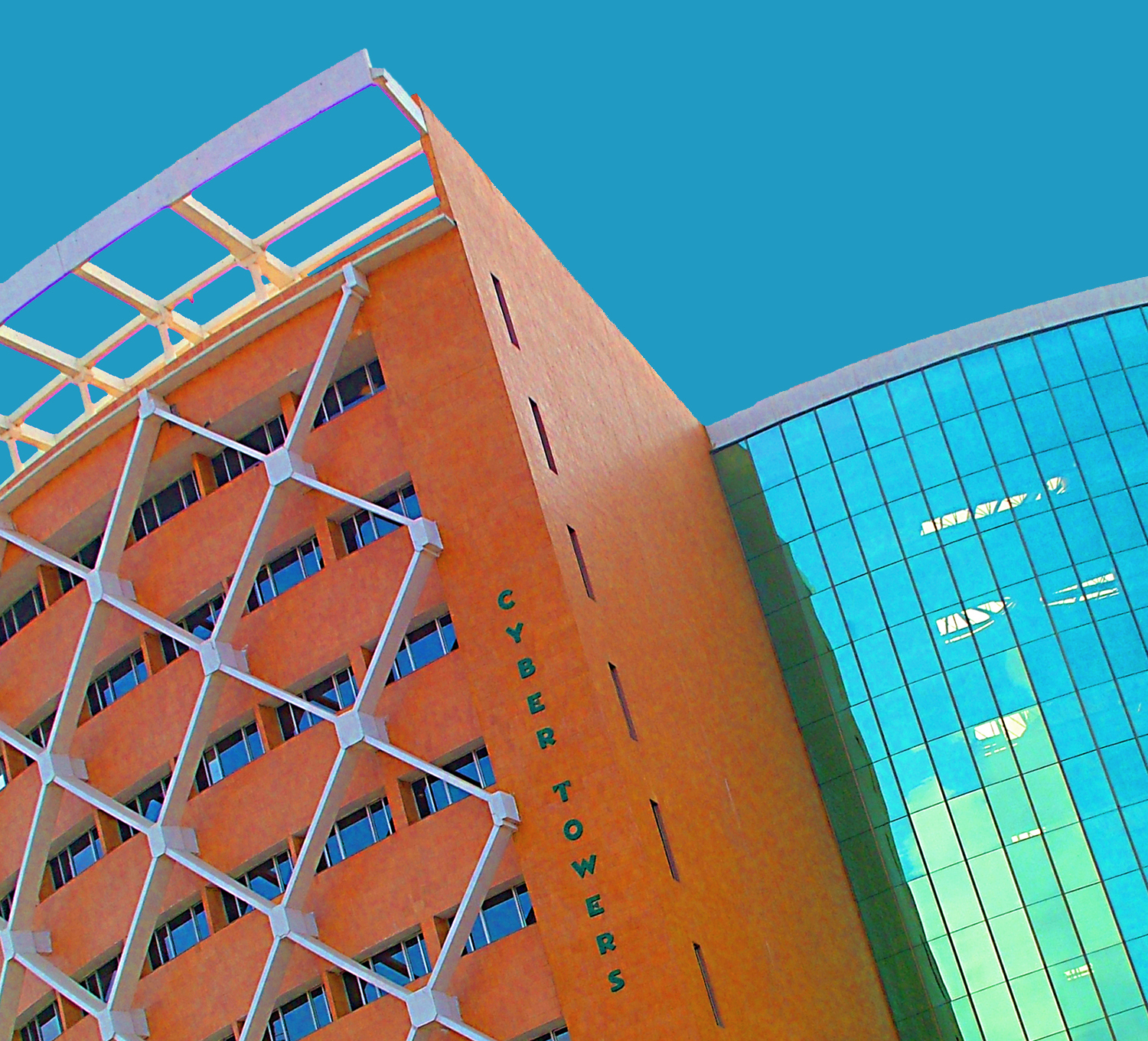
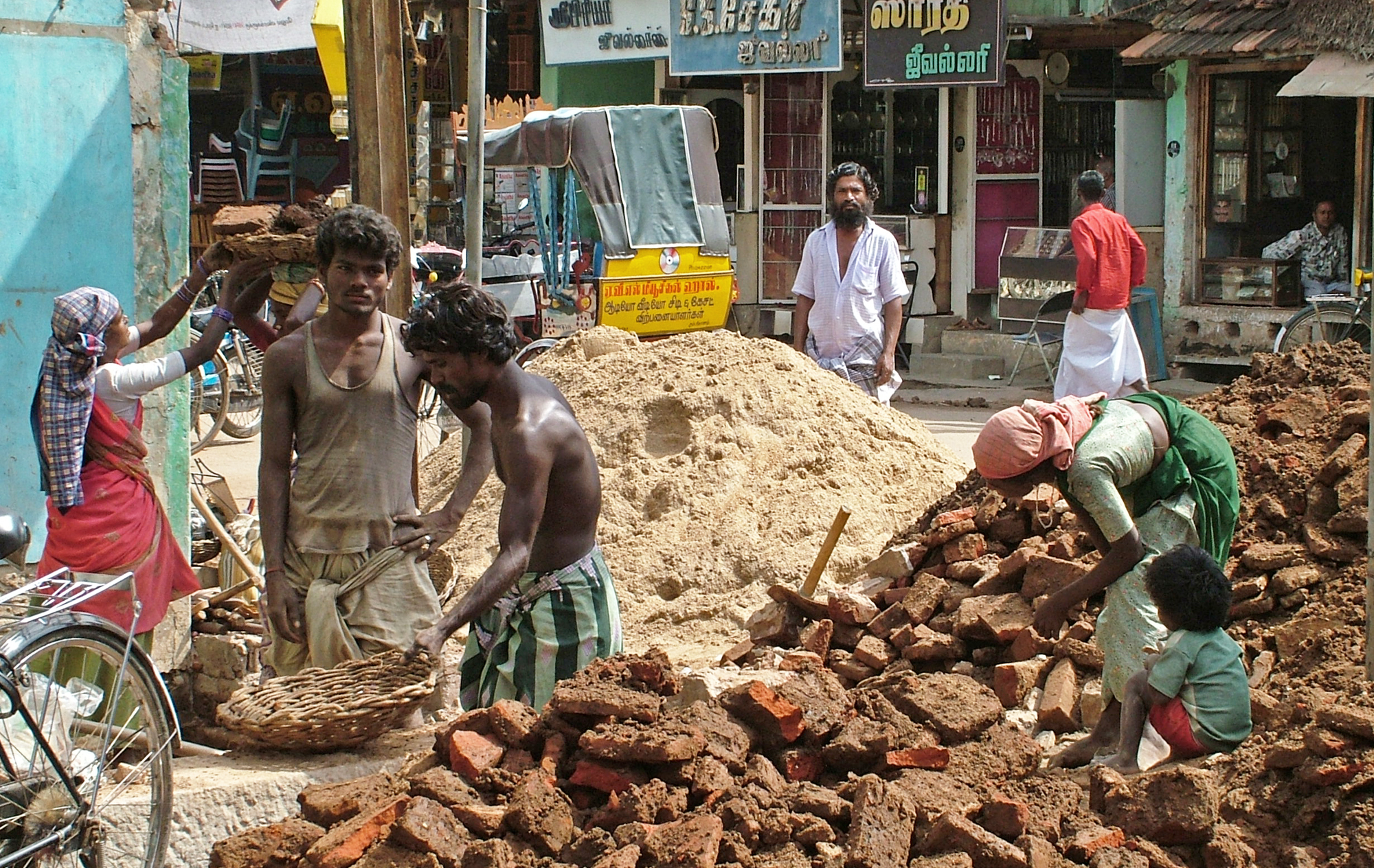
There’s a constant juxtaposition of ancient and modern, hi-tech and traditional. Like a radio mast sited next to a temple – and civil engineering projects with building materials hauled by oxen …

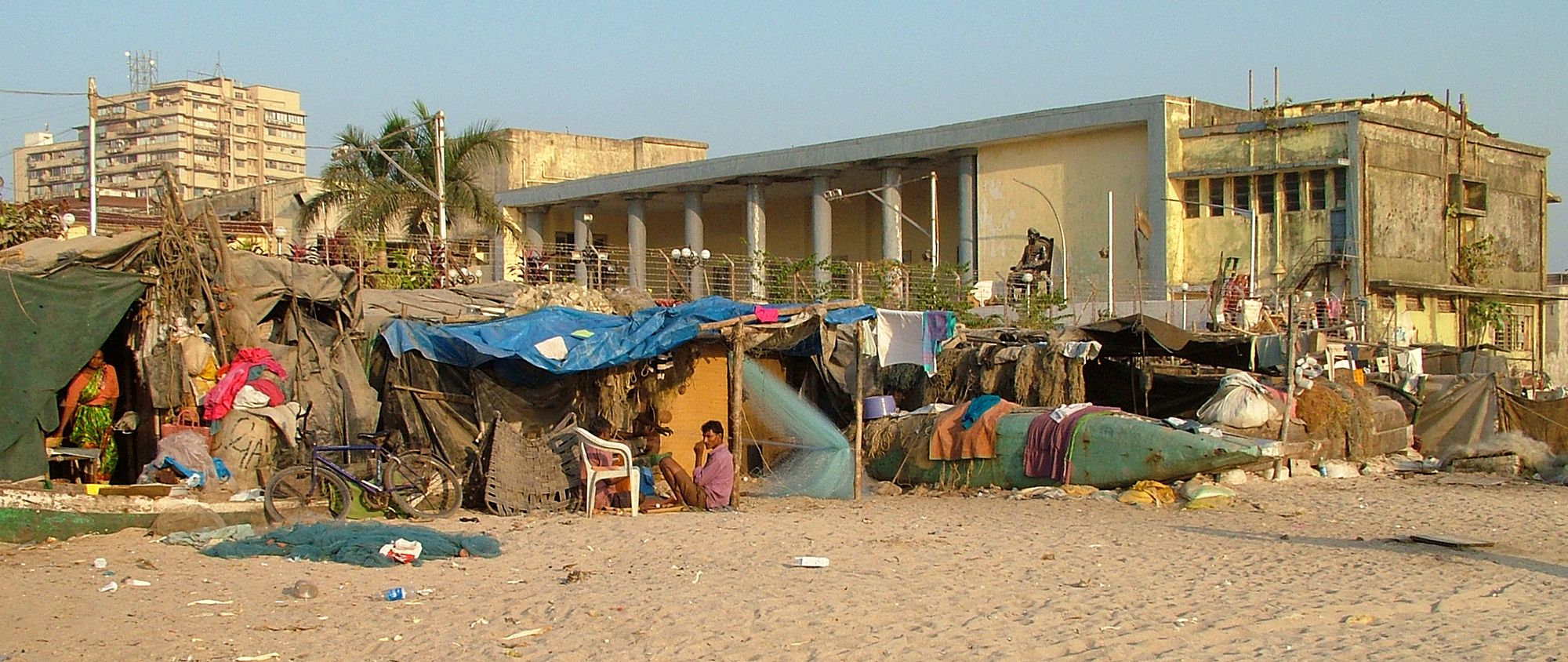
Wealth and poverty too, side by side. The shanty dwellings on Mumbai’s Chowpatty Beach overlook the windsurfers in the bay.

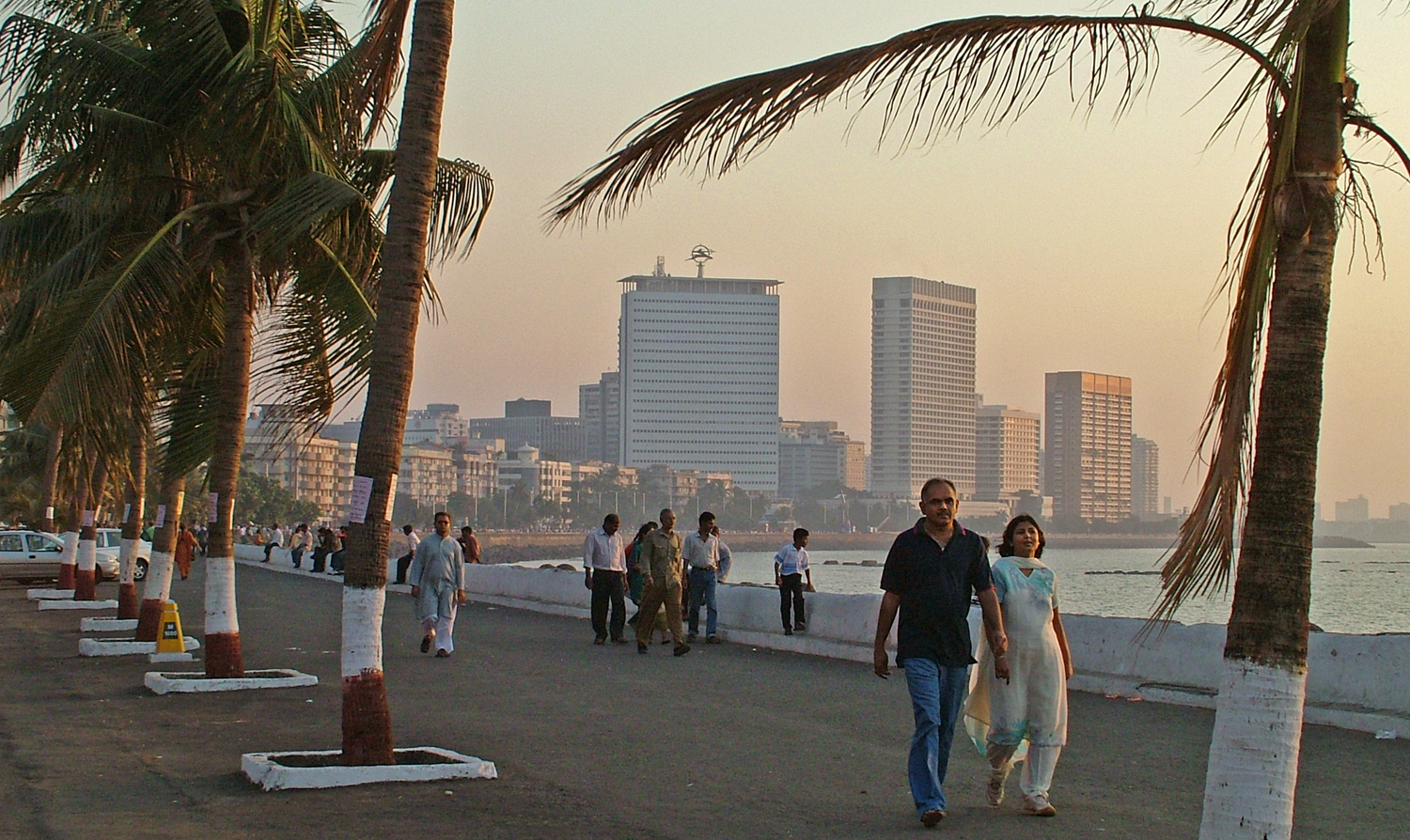
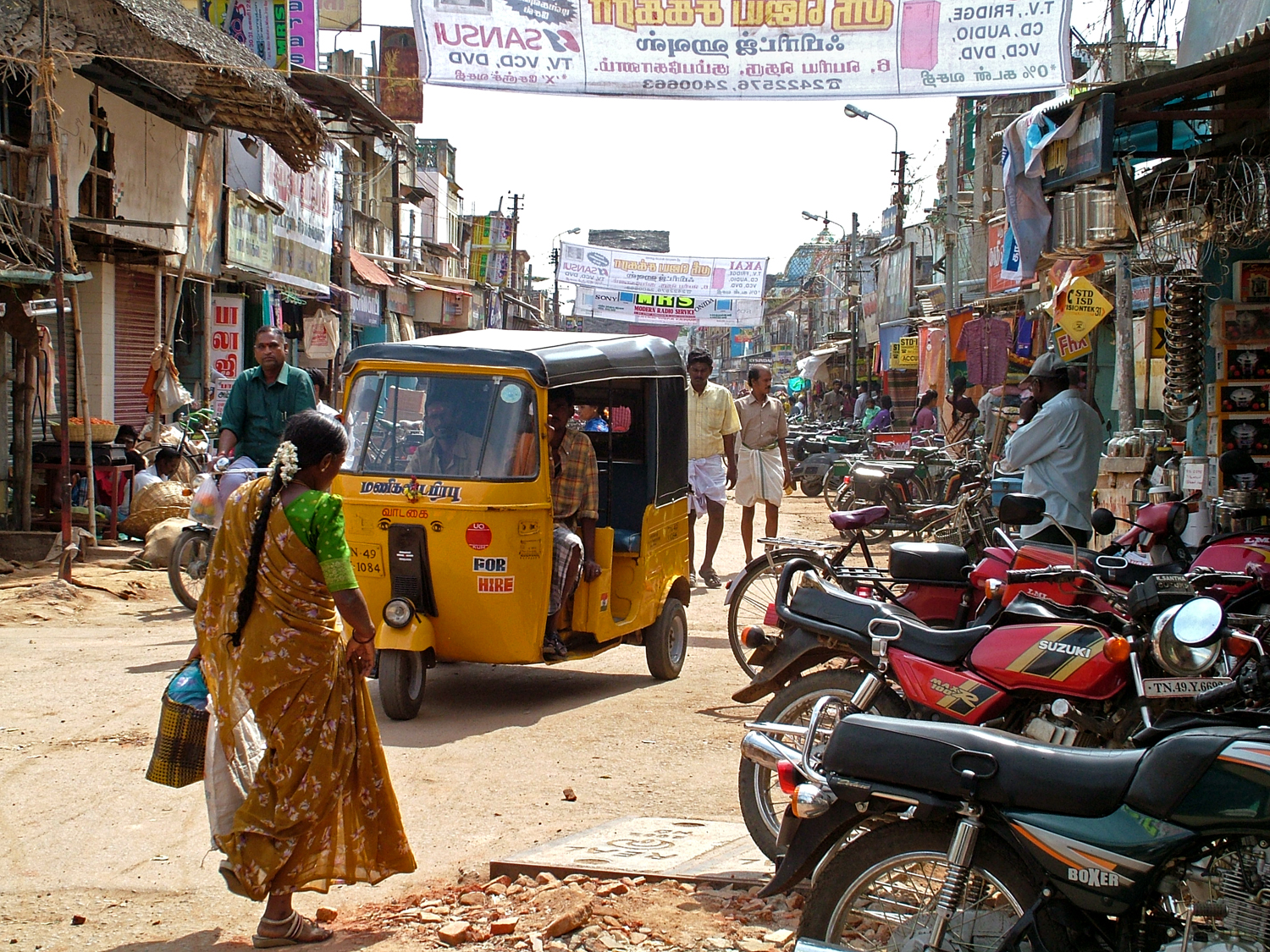
The cool of evening shows off the elegance of Marine Drive, the corniche in Mumbai, but in the smaller towns and backstreets there’s constant bustle and overcrowding.
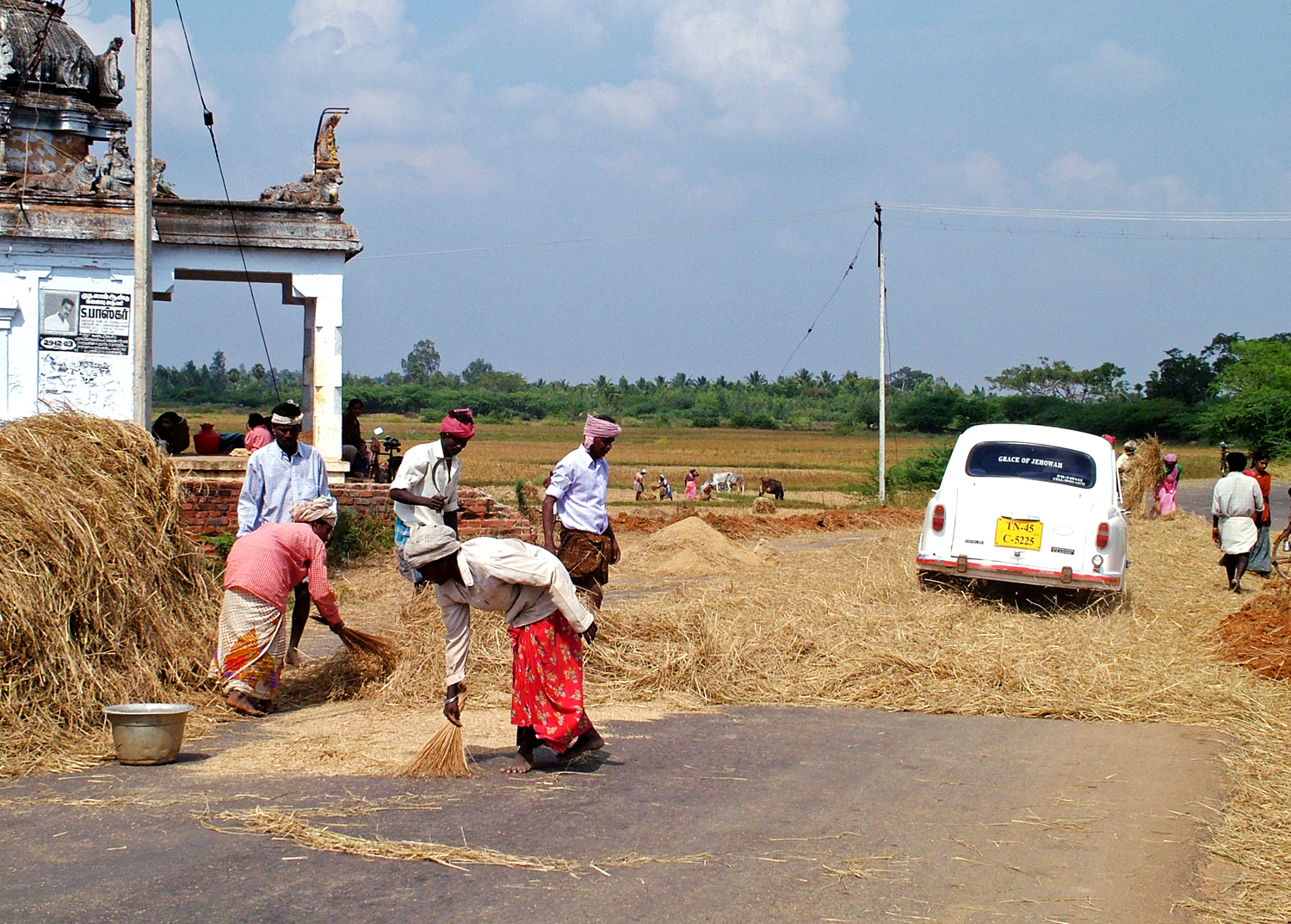
I already knew about rice paddyfields, but I’d never imagined that passing vehicles could be used for roadside threshing. But what else do you do if you’ve got no money for equipment – but are very bright and innovative?

Transport varies from the modern to the traditional . . .


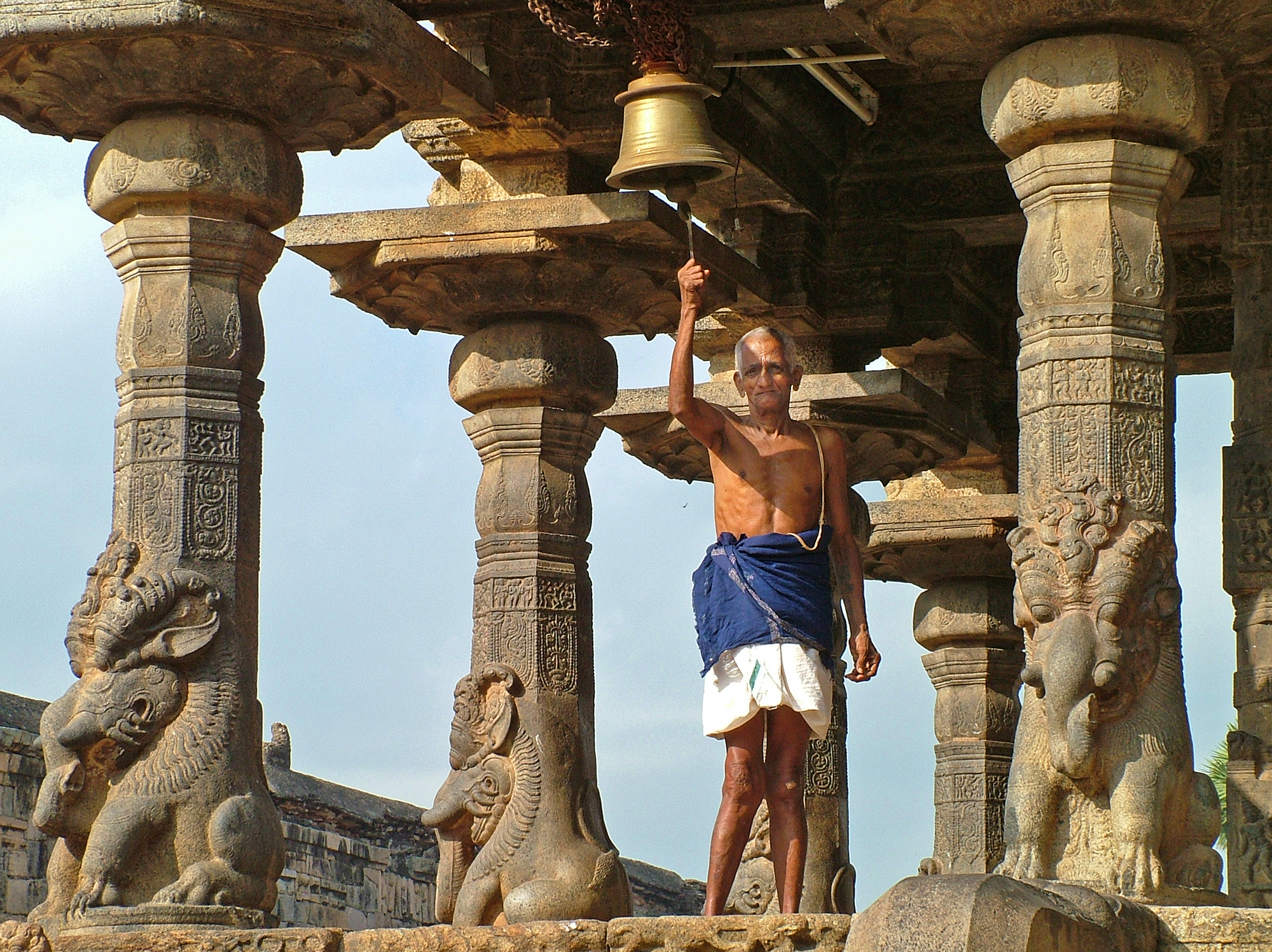
India’s a very spiritual place. Priests spend their entire lives serving one of one of the many, many Hindu gods. But it can also be a violent society – any self-respecting politician sports a crisp white shirt … and a bodyguard with a submachine gun.
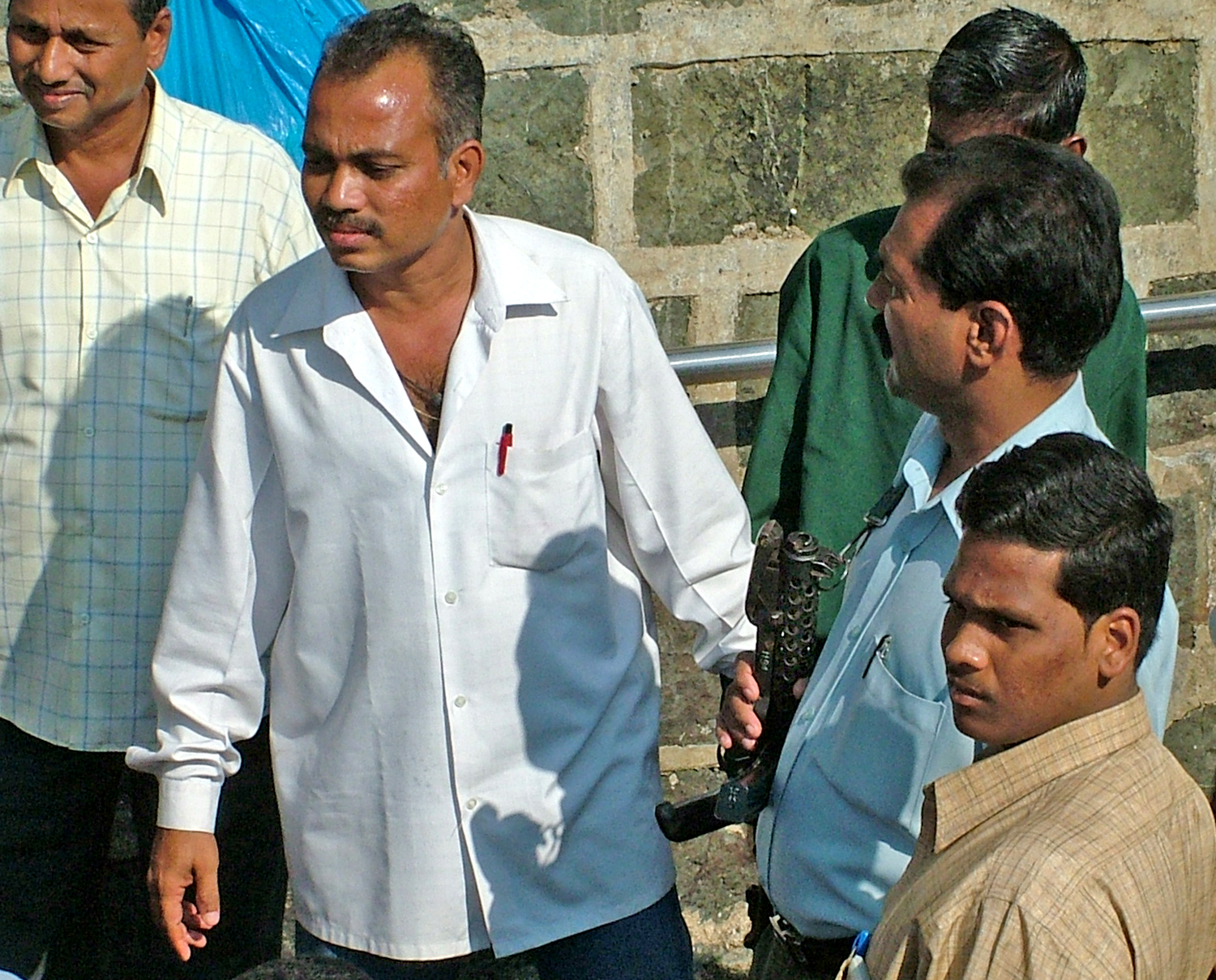

The country’s powerful and sophisticated military is primarily focused on Pakistan, but they also face internal challenges from Naxalite Maoist insurgents.


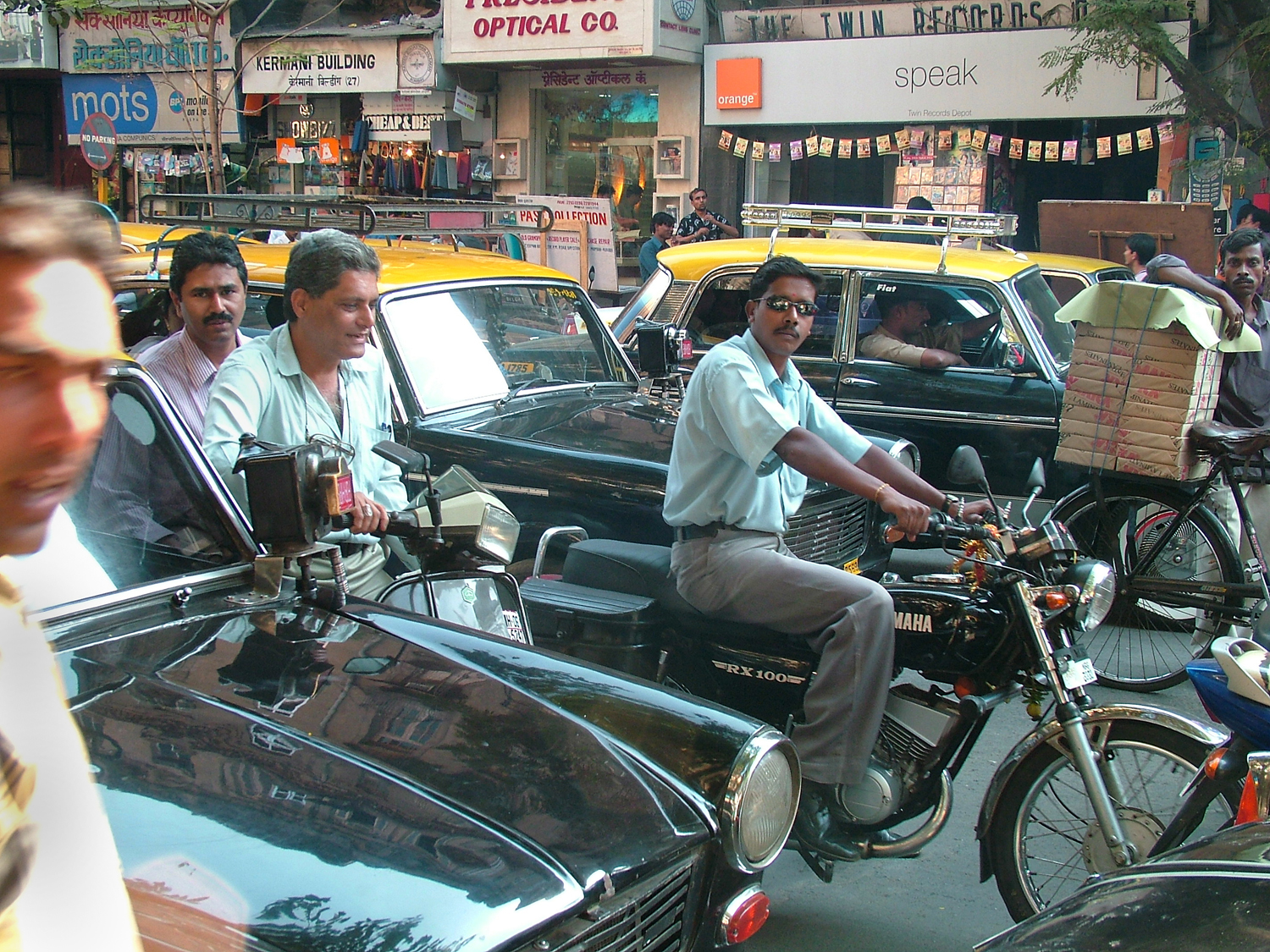
As well as Hindus, India is home to a multitude of Muslims, too. Outside the calm of the mosque or the temple, though, there’s usually the crush of traffic.
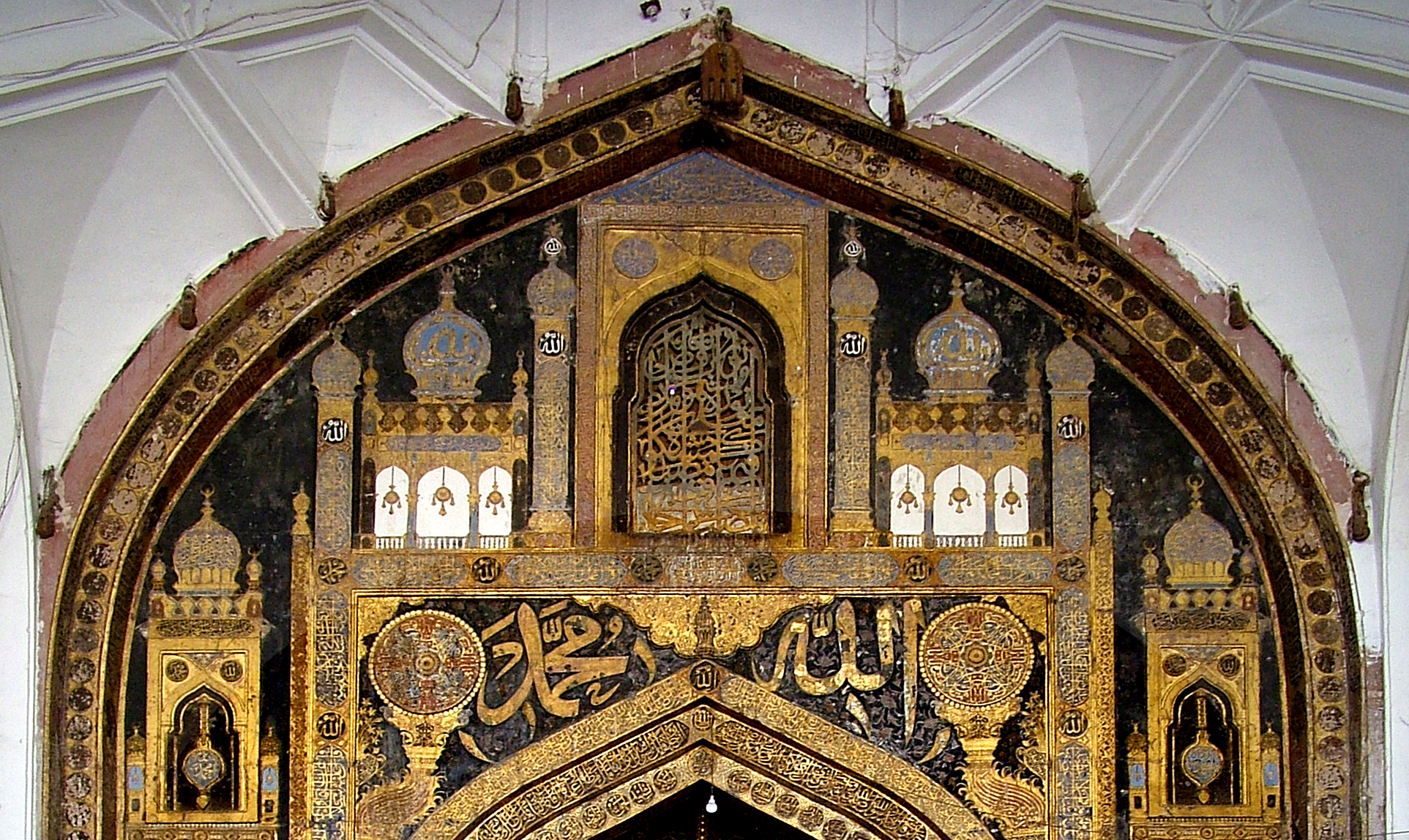
The stripped-back Islamic austerity contrasts so strongly with the exuberance of Hindu temples.
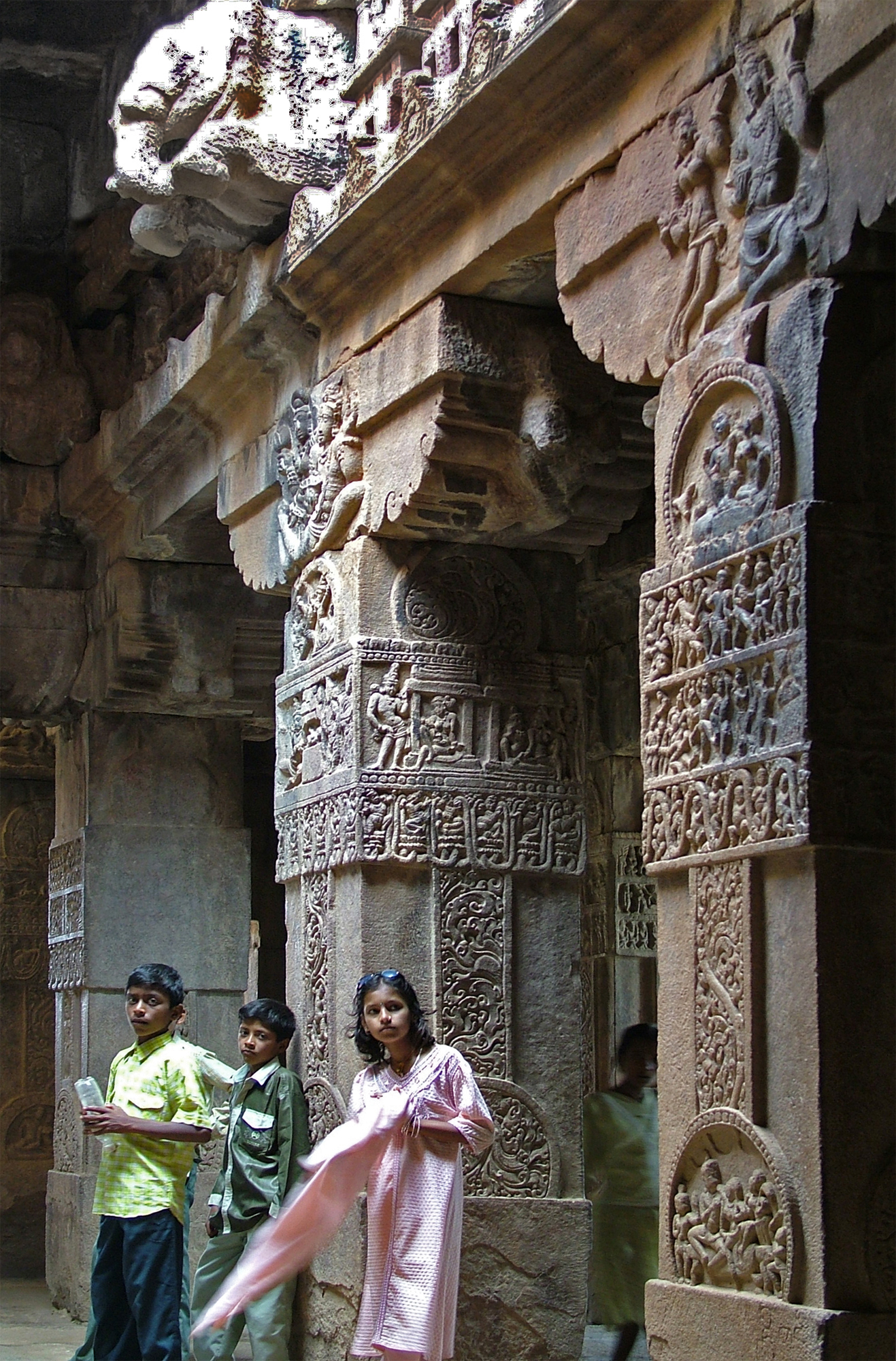

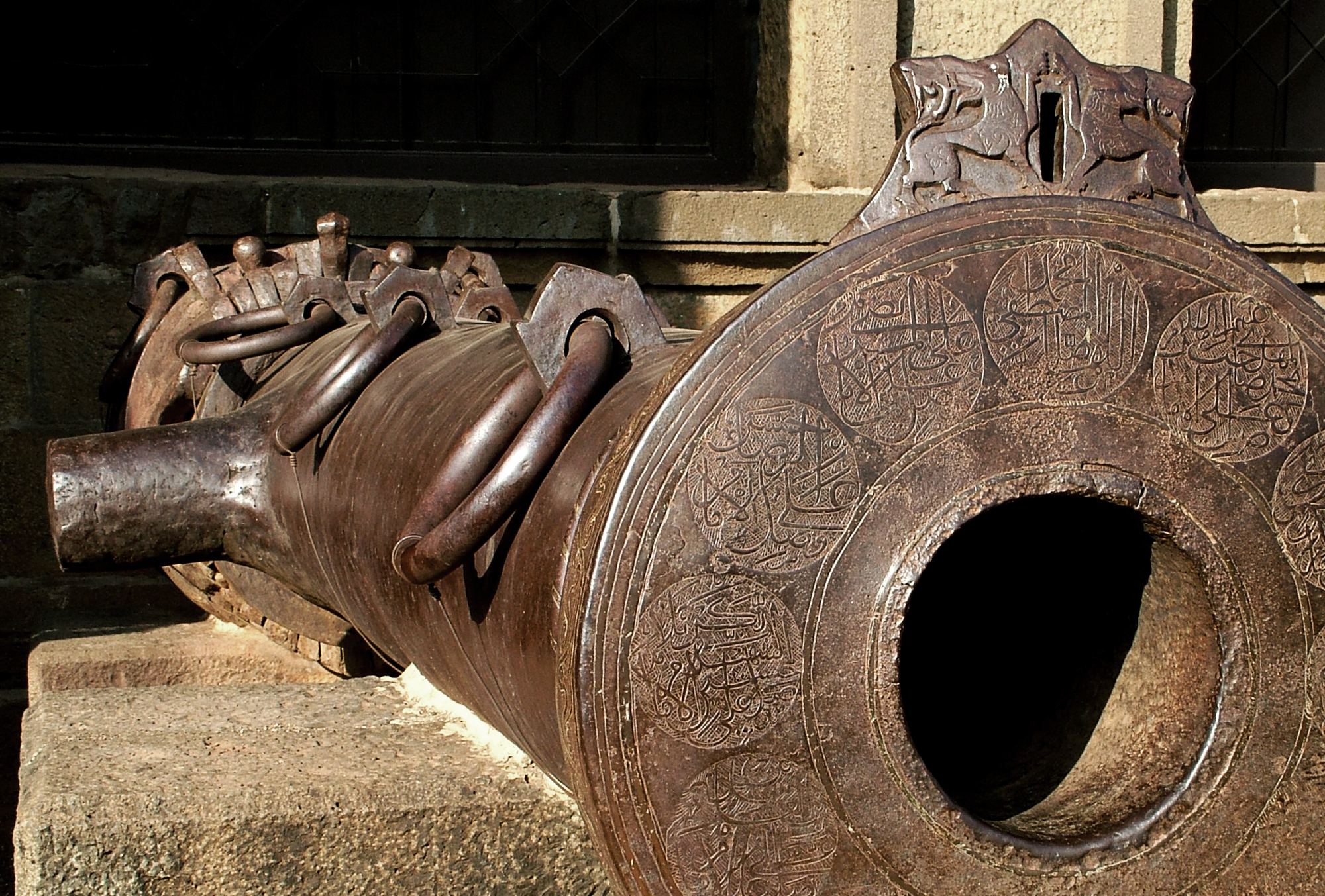
The Mughal emperors, being Islamic, had no human or animal imagery – their religion celebrated The Word itself. Calligraphy on cannons as well as buildings.
Not just Hindus and Muslims – many other religions have a home here. In Cochin the spice trade was started by the Portuguese, but there were numerous Jewish merchants, enough to name a district. I mentioned history on the home page – how’s this for a portrait of the immense cultural and political changes that took place through the twentieth century?

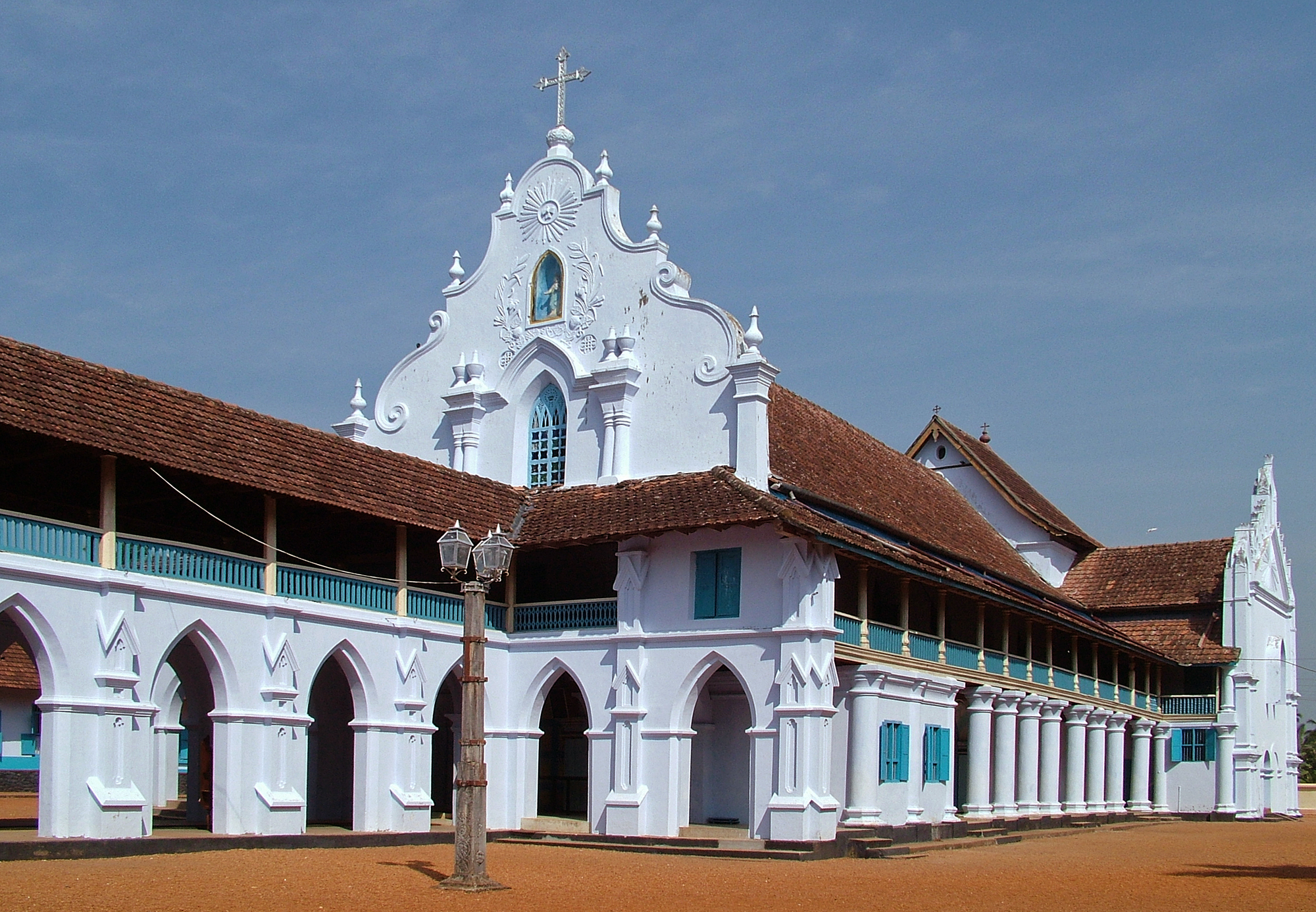
The Portuguese left a legacy of Catholic churches – a very different culture to the Hindu, though both religions produce architecture reaching towards the heavens.

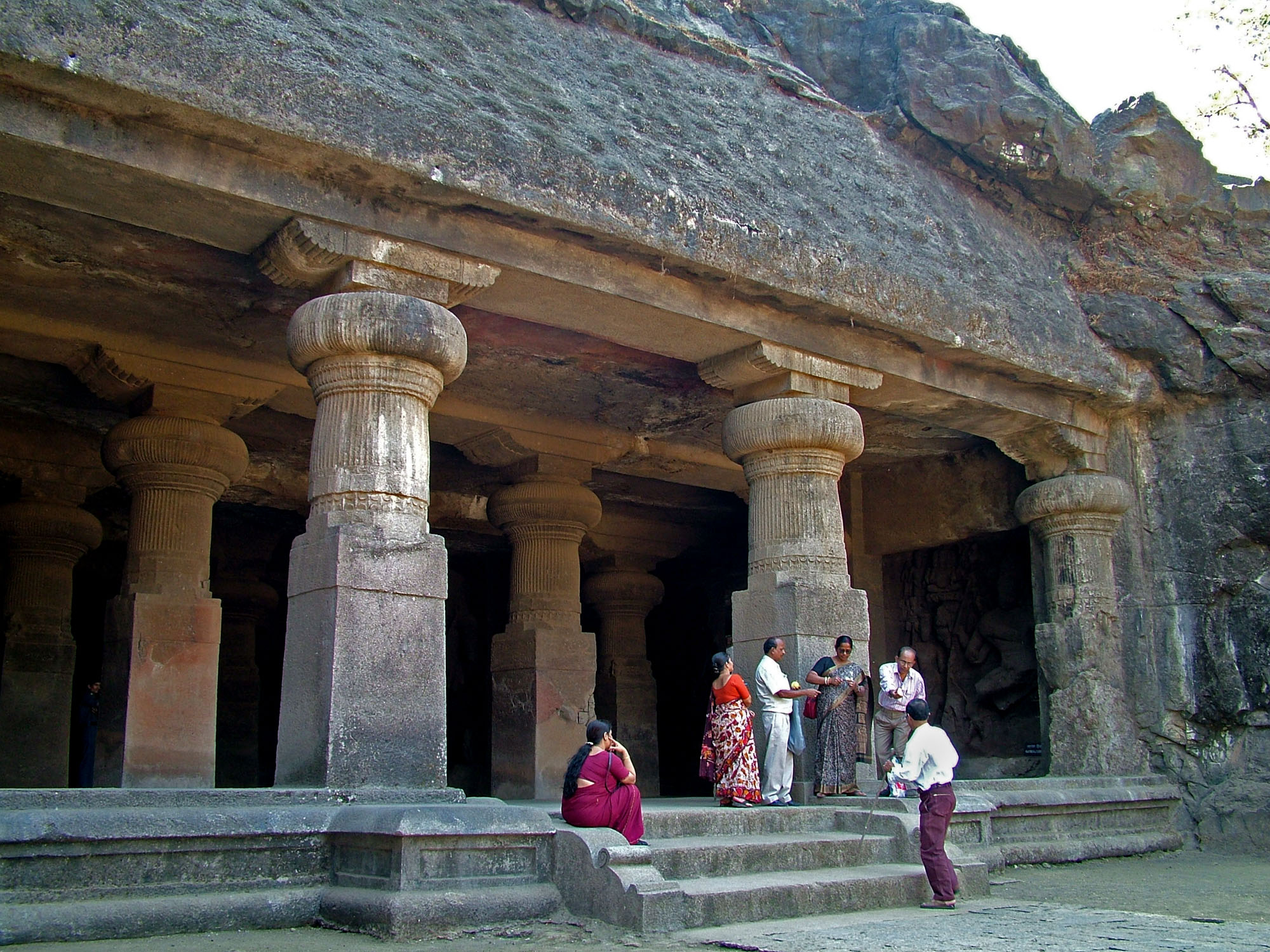
Or deep underground. Six centuries after Christ, many vast temples to the Hindu god Shiva were carved into the solid basalt of rocky hillsides. This example is on Elephanta Island, east of Mumbai.

Empire rule – the Raj – didn’t end until 1947. Between the wars the British put up a lot of buildings in ‘their’ country.

This Art Deco apartment block in Mumbai now houses the offices of a bank.
And take a look at an Indian role model. Remember the airline pilots on cigarette packs in the UK?

Commerce – trade has always been a constant … only the goods evolve.


Sport, too. Cricket’s remained an Indian obsession – as the Sun gets low in the sky, the Maidan in Mumbai hosts net practice, with the Victoria railway terminus (now renamed the Chhatrapati Shivaji Maharaj Terminus) in the background.
The essentials of life. Clothes are often washed in the lake …

Saris, of course, are everywhere – worn for manual work, a dip in the sea, or an evening stroll …


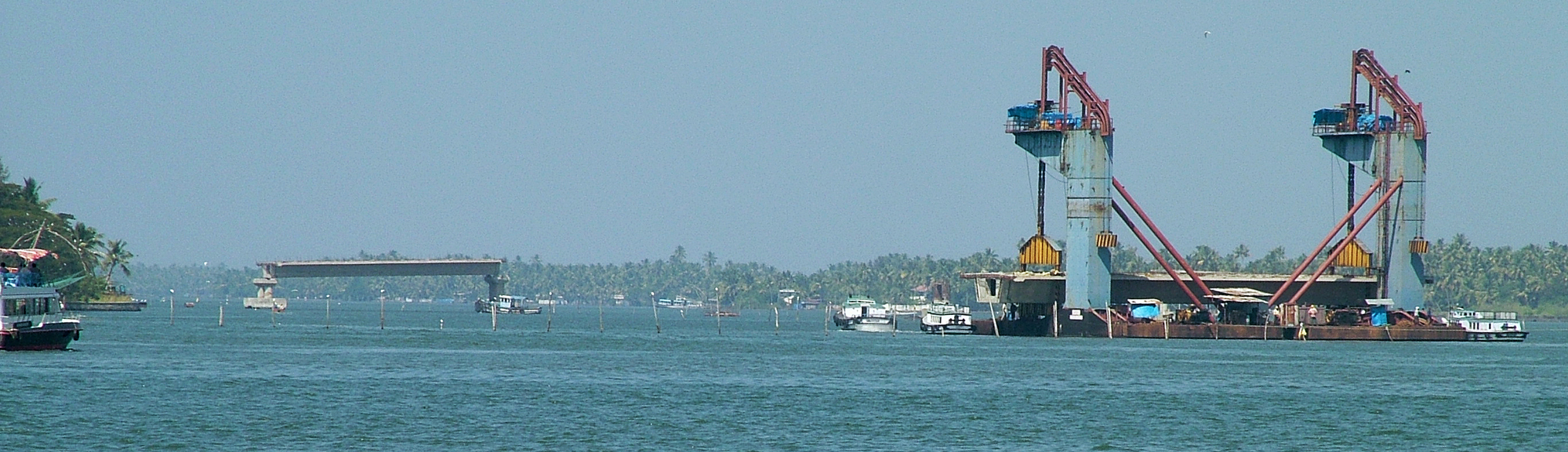
Talking of the sea, here’s the entrance channel to Kochi, the modern name of Cochin, situated on the inland Backwaters of Kerala. They fish from traditional boats – but also using enormous nets that they dip into the water …


New bridge links at Kochi, but in the Backwaters much produce is carried by canoe.

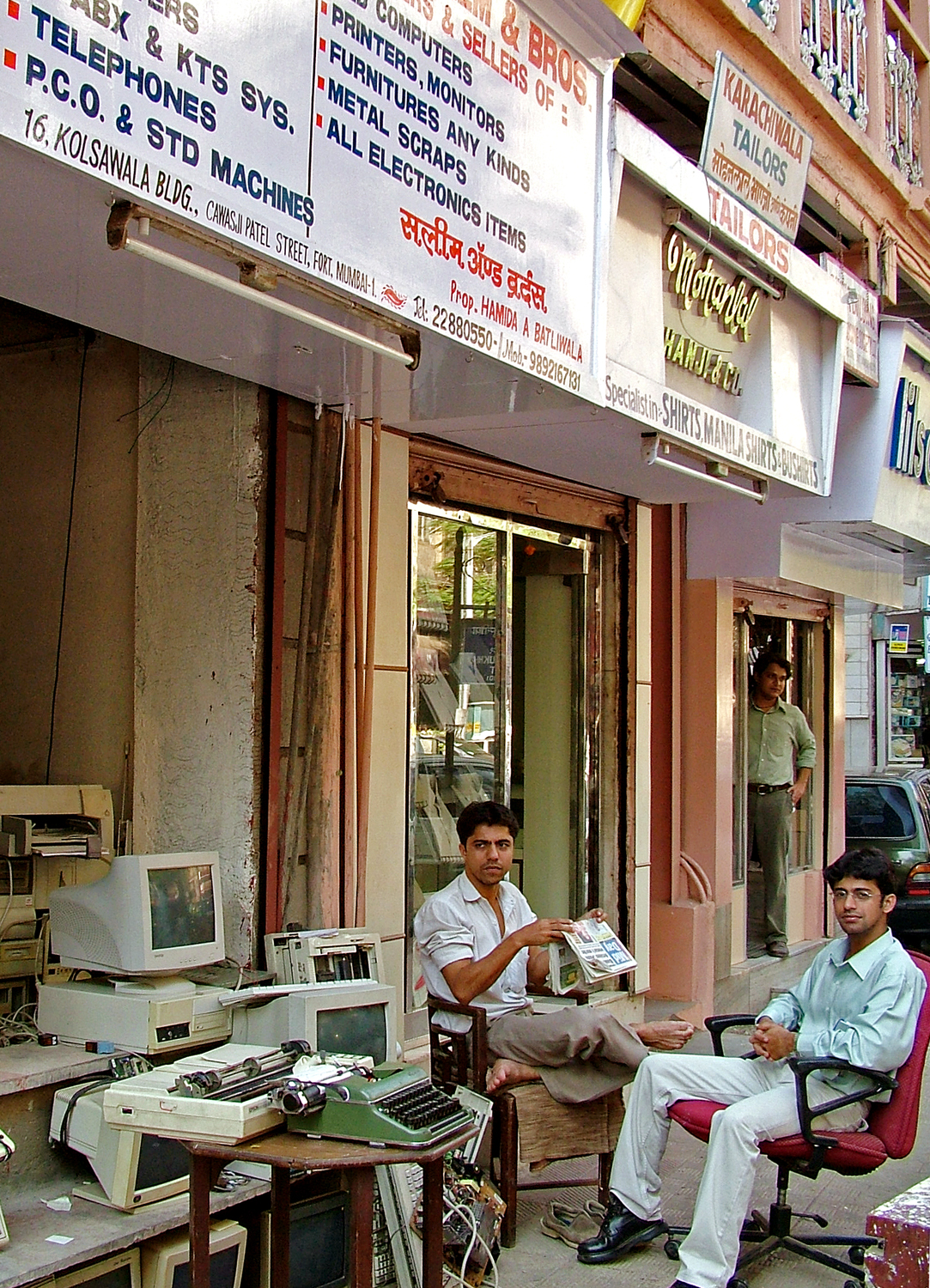
Tremendous innovation – and if literacy, or lack of equipment, is a problem, you can find someone to write a letter for you – on a good old fashioned green typewriter.
Or maybe you’re ready for a cup of tea.

*
*
*
*
*
 Strat Mastoris Photography